

Discover how to maintain an active lifestyle despite arthritis.
Movement as Medicine for Arthritic Joints

If you’re over 50 and living with arthritis, you’ve likely heard conflicting advice: “Rest your joints” versus “Keep moving.” This contradiction can leave you wondering what’s actually best for your body. As someone dealing with joint pain, you might fear that exercise will worsen your condition or cause additional damage. The good news? Research consistently shows that appropriate physical activity is not only safe but essential for managing arthritis.
According to the Arthritis Foundation, regular exercise can reduce pain by up to 40% while increasing strength and flexibility. Yet, nearly 44% of adults with arthritis report physical inactivity. This is often due to fear of pain or uncertainty about safe exercise options.
This guide will help you understand the world of joint pain management exercises. This article will provide you with practical strategies to stay active without aggravating your symptoms. We’ll explore which movements help. We’ll also identify which ones to avoid. Lastly, we’ll discuss how to build an exercise routine that enhances your quality of life rather than compromising it.
Understanding How Exercise Benefits Arthritic Joints
Before diving into specific workouts, it’s important to understand why exercise is so beneficial for arthritis sufferers. Many people worry that movement will accelerate joint wear and tear, but the opposite is often true.
The Science Behind Movement and Joint Health
Dr. Elena Martinez, rheumatologist at the Center for Joint Health, explains: “Regular, appropriate exercise actually helps deliver nutrients to joint cartilage while strengthening the supporting muscles. This creates a more stable joint environment and can significantly reduce pain over time.”
Exercise benefits for arthritic joints include:
- Increased joint lubrication: Movement stimulates synovial fluid production, which lubricates joints and reduces friction
- Strengthened supporting muscles: Stronger muscles take pressure off painful joints
- Improved range of motion: Regular movement helps maintain and sometimes improve flexibility
- Weight management: Reducing excess weight decreases pressure on weight-bearing joints
- Pain reduction: Exercise triggers endorphin release, your body’s natural pain relievers
Margaret Wilson, 67, experienced this transformation firsthand. After being diagnosed with osteoarthritis in her knees, she initially avoided exercise entirely. “I was afraid I’d make things worse,” she recalls. “But after six months of appropriate exercise guided by a physical therapist, I’ve reduced my pain medication by half. I can now play with my grandchildren again.”
Best Low-Impact Exercises for Arthritic Joints
When living with arthritis, choosing the right type of exercise is crucial. Arthritis-friendly workouts focus on gentle movements that minimize joint stress while maximizing benefits.
1. Water-Based Exercise: The Joint-Friendly Favorite

Aquatic exercise consistently ranks among the most effective and comfortable options for people with arthritis. The Arthritis Foundation’s YMCA Aquatic Program participants report an average 30% reduction in pain and stiffness after regular participation.
Water provides natural resistance while supporting your body weight. It reduces the impact on painful joints by up to 90% compared to land exercises. Options include:
- Water walking
- Gentle aquatic aerobics
- Swimming (particularly backstroke and sidestroke for those with shoulder arthritis)
- Deep water jogging with a flotation belt
Pro tip: Start with water that’s about 83°F (28°C) for comfort. It’s warmer than typical lap pools but not as warm as therapy pools.
2. Walking: Simple Yet Effective

Walking is accessible, affordable, and remarkably effective for arthritis management. A study in the Journal of Rheumatology found that just 30 minutes of walking 3-5 times weekly reduced arthritis pain. The reduction in pain was by 27% over 6 months.
To make walking more joint-friendly:
- Wear supportive shoes with cushioning
- Choose softer walking surfaces like tracks or grass when possible
- Start with 10-minute sessions and gradually increase
- Use walking poles to reduce pressure on lower body joints
3. Cycling: Smooth Motion Without Impact

Stationary or outdoor cycling provides excellent cardiovascular benefits with minimal joint stress. The circular motion helps improve knee mobility without the impact of walking or running.
Dr. James Cooper, sports medicine specialist, recommends: “For arthritis patients, I suggest starting with a recumbent bike. It provides back support and puts less stress on the hips. Proper seat height is crucial—your knee should be just slightly bent at the bottom of the pedal stroke.”
4. Gentle Strength Training: Support Your Joints

Contrary to common fears, appropriate strength training doesn’t harm arthritic joints—it protects them. Research published in the Journal of Aging and Physical Activity shows that seniors with knee arthritis performed strength training twice weekly. They experienced 43% less pain after 4 months.
Start with:
- Body weight exercises like modified wall push-ups
- Resistance bands for gentle tension
- Light hand weights (1-3 pounds)
- Chair-based movements for stability
Mary Thompson, 72, found relief through a twice-weekly strength program: “I was skeptical about the benefits of lifting weights. I doubted it would help my hands and wrists, which are affected by rheumatoid arthritis. But after three months, I can open jars again and my morning stiffness is much improved.”
Creating Your Arthritis Exercise Plan: Safety First
Building an exercise routine with arthritis requires thoughtful planning. These strategies help ensure safe exercise for arthritic joints while maximizing benefits.
The Modified RPE Approach for Arthritis
Instead of pushing through pain, exercise physiologist Dr. Robert Chen recommends using a modified Rate of Perceived Exertion (RPE) scale:
- 0-3: Too easy; increase intensity slightly
- 4-6: The “sweet spot” for arthritis exercise
- 7-8: Approaching discomfort; reduce intensity
- 9-10: Pain zone; stop immediately
“With arthritis, we aim for that 4-6 range,” explains Dr. Chen. “You want to feel you’re working, but never in significant pain during or after exercise.”
Timing Your Workouts for Pain Management
Strategic timing can significantly impact your comfort level:
- Morning exercisers: If you wake up stiff, start with 10 minutes of gentle movement or a warm shower before your main workout
- Afternoon options: Many people find midday workouts comfortable after morning stiffness subsides
- Pain medication timing: If you take pain medication, consider scheduling workouts 30-45 minutes after taking it for maximum comfort
The “Two-Hour Pain Rule”
After exercise, monitor how your body responds. The Arthritis Foundation recommends following the “two-hour pain rule”: if joint pain lasts more than two hours after exercise, your next workout should be less intense or shorter.
Adapting When Flares Happen: Flexibility is Key
Arthritis is unpredictable, with good days and flare-ups. Having an adaptive approach ensures you can maintain some level of activity even during challenging periods.
Exercise Modifications During Flares
During flare-ups, don’t abandon exercise completely. Instead, modify your approach:
| Normal Day Exercise | Flare Modification |
| 30-minute walk | 5-10 minutes of gentle walking or chair exercises |
| Swimming laps | Water walking in shallow end |
| Full yoga routine | Selected gentle stretches focusing on non-affected joints |
| Resistance training | Range-of-motion exercises without resistance |
Physical therapist Sandra Martinez suggests: “Think of exercise during flares as ‘motion is lotion’ for your joints. Even gentle movement helps reduce stiffness and maintains your exercise habit.”
Range of Motion: The Foundation Exercise
When pain is significant, focus on gentle range-of-motion exercises. These movements take joints through their comfortable range without resistance:
- Slow, gentle circles with wrists and ankles
- Shoulder rolls and pendulum swings
- Knee straightening while seated
- Finger spreading and thumb touches
These keep joints mobile while respecting pain limits. Research shows that even these minimal movements can reduce stiffness by up to 30% within two weeks of regular practice.
Beyond Exercise: Complementary Approaches
While exercise for arthritis pain relief is powerful, combining it with other strategies creates a comprehensive approach to joint health.
Heat and Cold Therapy: Pre and Post-Exercise Tools

Strategic use of temperature therapy enhances exercise comfort:
- Pre-exercise heat (warm shower, heating pad, or paraffin dip for hands) for 10-20 minutes increases blood flow and reduces stiffness
- Post-exercise cold therapy (ice pack wrapped in thin towel) for 10-15 minutes helps manage any temporary inflammation
Mind-Body Approaches: Addressing the Pain-Stress Cycle

Chronic pain and stress create a negative feedback loop. Mind-body practices like tai chi and yoga address both physical and psychological aspects of arthritis:
- Tai Chi: A study in the New England Journal of Medicine found that 12 weeks of tai chi reduced pain and improved physical function in people with knee osteoarthritis by over 30%
- Gentle Yoga: Modified yoga programs show significant benefits for joint mobility and pain reduction
- Meditation: Even 5-10 minutes daily can lower stress hormones that worsen inflammation
James Peterson, 65, discovered tai chi after struggling with hip arthritis: “The slow, flowing movements seemed too gentle to make a difference at first. However, after two months, my balance improved dramatically. My hip pain decreased. Now I rarely need pain medication.”
Frequently Asked Questions About Exercising With Arthritis
1- Should I exercise through joint pain?
Mild discomfort during exercise can be normal, but sharp or severe pain is your body’s warning signal. The Arthritis Foundation recommends using the pain scale of 0-10:
- 0-3: Safe to continue
- 4-7: Modify the movement or reduce intensity
- 8-10: Stop and rest
Remember that appropriate exercise should ultimately decrease your pain, not increase it.
2. How often should I exercise with arthritis?
Most experts recommend:
- Aim for 150 minutes weekly of moderate activity (about 30 minutes, 5 days weekly)
- Break this into 10-minute sessions if needed
- Include 2-3 days of gentle strength training
- Allow recovery days between strength sessions for the same muscle groups
This schedule provides benefits while allowing adequate recovery time.
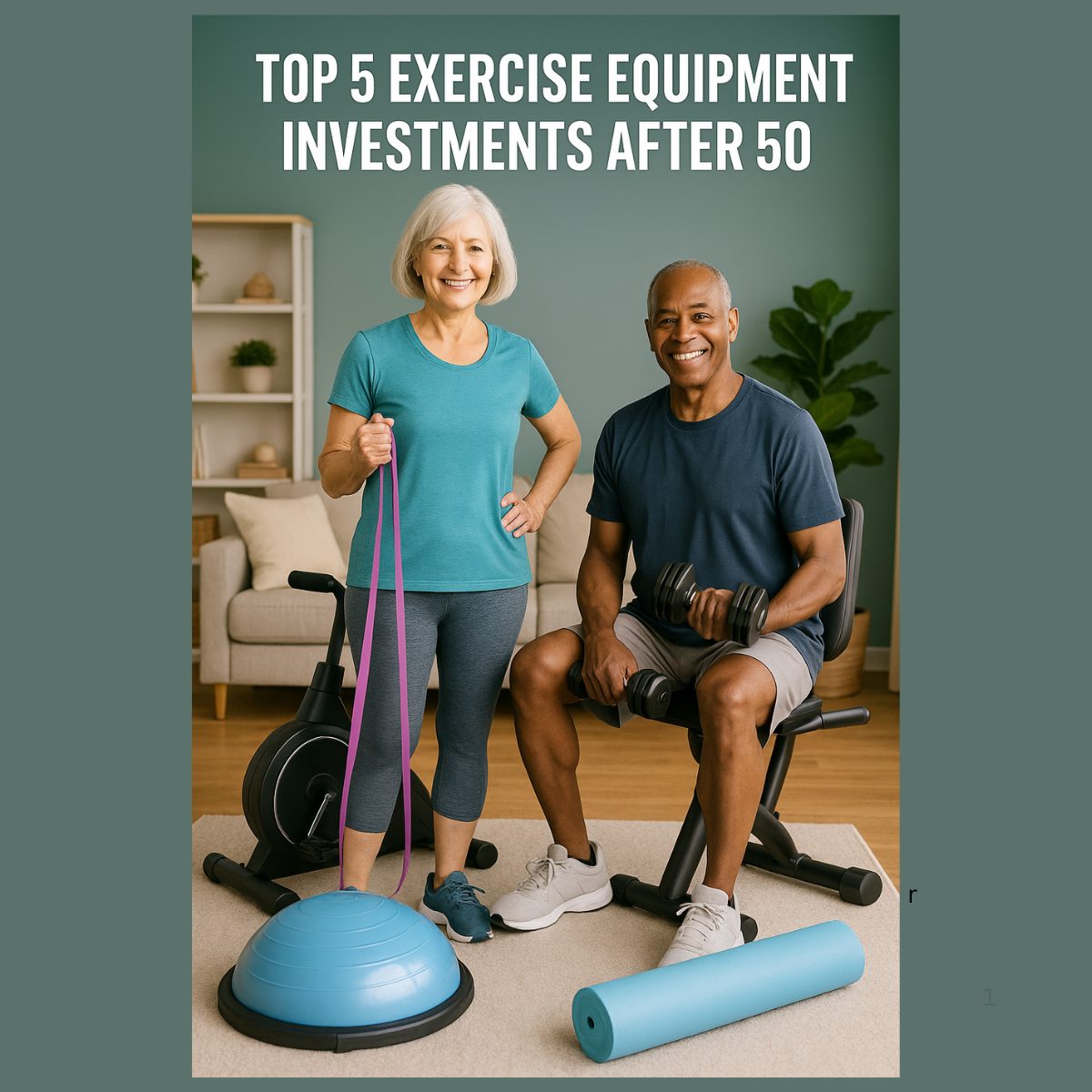
3. Do I need special equipment for arthritis-friendly exercise?
While specialized equipment isn’t always necessary, certain items can make exercise more comfortable:
- Supportive shoes with cushioning
- Swimming gloves for water resistance
- Lightweight dumbbells or adjustable ankle weights
- Resistance bands of varying tensions
- Stability ball or chair for balance support
Many community centers and senior facilities offer these tools in their arthritis exercise programs.
Conclusion

Living with arthritis doesn’t mean giving up an active lifestyle. In fact, appropriate exercise may be one of your most powerful tools. It helps in managing joint pain. It also aids in maintaining independence as you age.
Remember these key principles:
- Start gently and progress gradually
- Respect pain but don’t fear all discomfort
- Consistency matters more than intensity
- Modify activities during flares rather than abandoning exercise
- Combine physical activity with complementary approaches like heat therapy
Most importantly, find activities you enjoy. Research shows that exercise adherence improves by up to 70% when people select activities they find pleasurable. The improvement is greater compared to when activities are just prescribed to them.
Ready to begin your joint-friendly movement journey? Consult with a physical therapist specialized in arthritis. They can provide a personalized program. Explore community resources like the Arthritis Foundation’s Exercise Program. These programs are available at many YMCAs and community centers.
Your joints—and your overall quality of life—will thank you for getting and staying active.
Disclaimer: This article is for informational purposes only and is not intended to replace professional medical advice. Always consult with your healthcare provider before beginning any new exercise program, particularly if you have arthritis or other health conditions.



Leave a Reply