
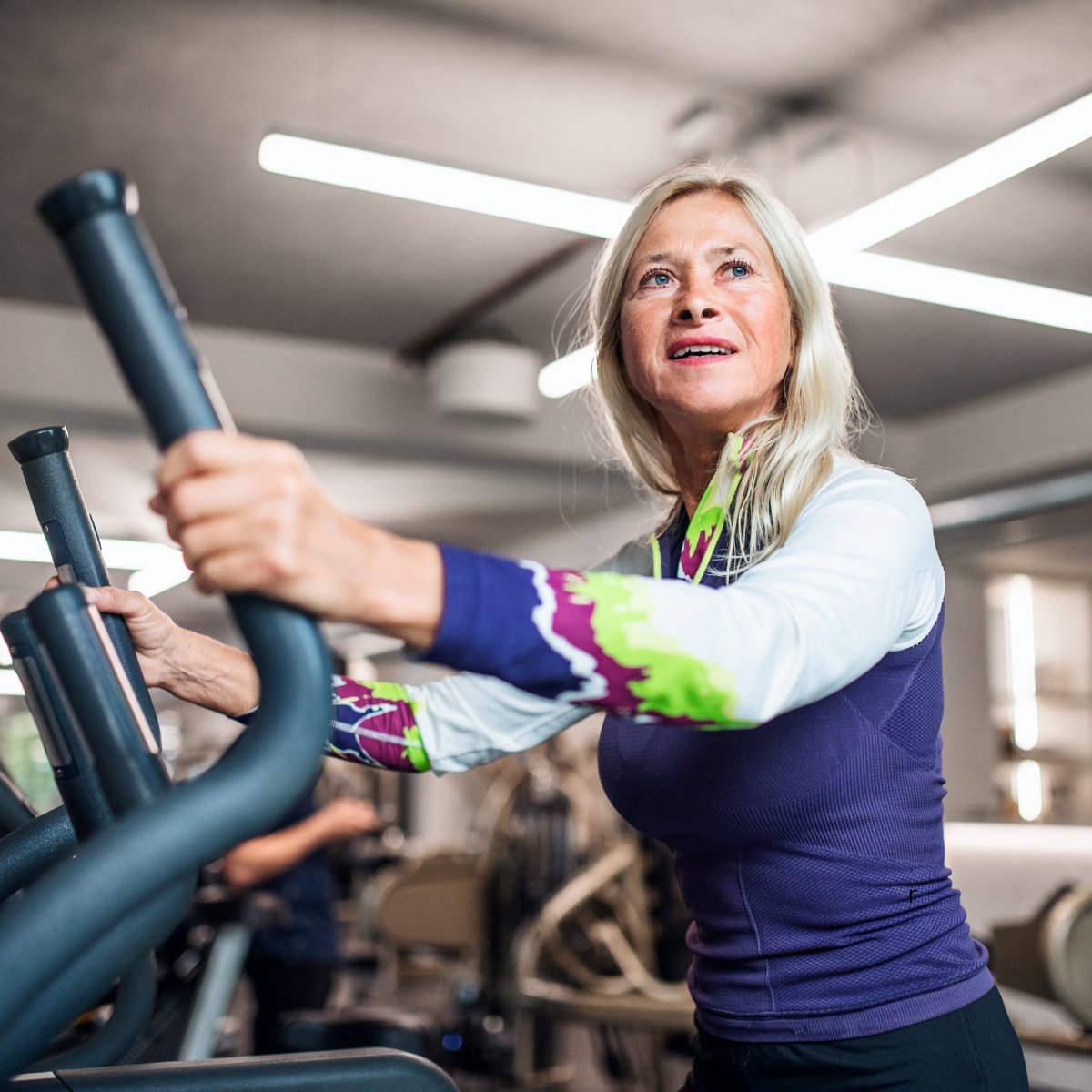
As we journey past the milestone of 50, our bodies begin to tell a different story. Staying active remains crucial. However, the way we approach exercise needs thoughtful reconsideration. If you’ve noticed that your knees aren’t as forgiving of high-impact activities as they once were, you’re not alone. The good news? You don’t have to sacrifice cardiovascular fitness to protect your joints.
Low-impact cardio provides heart-healthy benefits without stressing the joints. It is the perfect solution for maintaining fitness after 50.
Why Low-Impact Cardio Matters After 50
With age comes wisdom—and often, a few creaky joints. According to the Arthritis Foundation, approximately 50% of adults over 65 experience some form of arthritis. Even without a diagnosed condition, natural joint wear can make high-impact exercises like running increasingly uncomfortable.
The American Heart Association still advises adults of all ages to engage in at least 150 minutes of moderate-intensity cardiovascular exercise each week. Both young and older adults should aim to meet this goal. This recommendation doesn’t change as we age—only the methods might need adjustment.
Dr. Susan Thompson is a sports medicine specialist. She has over 20 years of experience treating older athletes. She emphasizes: “Cardiovascular exercise remains non-negotiable as we age. The key is finding activities that elevate your heart rate without elevating your risk of injury.”
Top Joint-Friendly Cardio Options for Adults Over 50
1. Water-Based Workouts: The Ultimate Joint Protector

Swimming and water aerobics top the list of joint-friendly exercises. The buoyancy of water reduces the impact on joints by up to 90% while providing natural resistance.
Real-world success: Margaret Wilson, 67, struggled with knee osteoarthritis that made her former walking routine painful. “I started water aerobics three times weekly at my local YMCA. Within a month, I improved my cardio fitness without a single twinge of knee pain. The water supports my body while still giving me an excellent workout.”
Water exercises to try:
- Lap swimming (any stroke that feels comfortable)
- Water walking/jogging
- Aqua aerobics classes (many community pools offer senior-specific sessions)
2. Cycling: Freedom Without the Impact

Cycling provides excellent cardiovascular benefits. It can be done outdoors on a proper bicycle or indoors on a stationary bike. This activity involves minimal joint stress.
For those with balance concerns, stationary bikes offer the safest option. Recumbent bikes, which feature a chair-like seat with back support, provide even more stability and comfort for those with back issues.
Pro tip: When setting up your bike, ensure proper positioning. Your knee should be slightly bent at the bottom of your pedal stroke to avoid joint strain.
3. Elliptical Training: The Walking Simulator

Elliptical machines mimic the motion of walking or running while eliminating the impact. Your feet never leave the pedals, creating a smooth, joint-friendly motion that still elevates your heart rate effectively.
The elliptical is Robert Chen’s preferred cardio option. He is 58 years old and developed runner’s knee after decades of marathon training. “I can still get that runner’s high and cardio benefit without the pain that comes from hitting the pavement.”
4. Walking With Proper Support

Walking remains one of the most accessible forms of exercise. With proper footwear and technique, it can be surprisingly gentle on joints.
The Arthritis Foundation recommends these joint-protection strategies for walkers over 50:
- Invest in quality walking shoes with proper cushioning and support
- Walk on softer surfaces like tracks or grass when possible
- Start with shorter distances and gradually increase
- Consider walking poles (similar to ski poles) to reduce joint load
5. Rowing: Full-Body Cardio With Minimal Impact

Rowing machines provide an excellent full-body workout that’s easy on the joints while engaging approximately 86% of your muscles.
“Proper form is essential,” cautions physical therapist Damon Richards. “The power should come primarily from your legs, not your back. Once you master the technique, rowing offers one of the most efficient cardio workouts available.”
6. Tai Chi and Gentle Yoga: Moving Meditation

Don’t underestimate the cardiovascular benefits of flowing movement practices. A study published in the Journal of American Geriatrics Society found that tai chi improved balance. It also enhanced flexibility. Furthermore, it delivered measurable cardiovascular benefits for practitioners over 60.
These practices double as stress-reducers, addressing another risk factor for heart disease.
Addressing Common Questions About Cardio After 50
“How do I know if I’m working hard enough if the exercise feels gentle?”
Heart rate remains your best gauge. For moderate-intensity exercise, aim for 50-70% of your maximum heart rate (roughly calculated as 220 minus your age). For a 60-year-old, that’s between 80-112 beats per minute.
Dr. Thompson suggests the “talk test” as a practical alternative. You should be able to carry on a conversation. Singing easily should not be possible. If you can belt out your favorite song without breathlessness, increase your intensity.
“I’ve never been active. Is it too late to start at my age?”
Absolutely not! A landmark study in the British Journal of Sports Medicine found significant findings. It showed that adults who began exercising in their 50s and 60s experienced similar mortality benefits. These benefits were comparable to those who’d been active their entire lives.
Start slowly with just 10 minutes daily and gradually increase. Consider working with a trainer familiar with senior fitness for the safest introduction.
“How often should I do cardio exercises to see benefits?”
Consistency matters more than intensity. The CDC recommends spreading those 150 weekly minutes across at least three days. It is better than attempting to complete them all at once.
Most important: Find activities you genuinely enjoy. The best exercise program is one you’ll actually maintain.
Getting Started With Your Joint-Friendly Cardio Plan
Begin by selecting one or two options from this list that appeal to you. Start with just 10-15 minutes per session, gradually working up to 30 minutes or more.
Remember: Your fitness journey isn’t a competition. Focus on how the movement makes you feel. Do not compare it to what you could do decades ago or what others can do.
Many community centers, YMCAs, and senior centers offer classes specifically designed for adults over 50. These provide not just appropriate exercise but valuable social connections—another vital component of healthy aging.
Ready to get moving? Your heart—and your joints—will thank you.
Disclaimer: Before beginning any new exercise program, particularly if you have existing health conditions, consult with your healthcare provider. This article provides general information and is not intended to replace medical advice.



Leave a Reply