

Have you noticed that tasks that once seemed effortless have become more challenging as you’ve passed the milestone of 50? Carrying groceries, climbing stairs, or even standing up from a chair are now more difficult. You’re not imagining things. There’s a scientific explanation for this change. It revolves around something called sarcopenia. This is the progressive loss of muscle mass and strength that occurs naturally with aging.
But here’s the empowering truth: while age-related muscle loss is natural, it isn’t inevitable. Understanding the science behind these changes can assist you in taking proactive steps. These steps will help you maintain your strength, independence, and quality of life for decades to come.
What Happens to Our Muscles After 50: Understanding Sarcopenia
Starting around age 30, we start losing muscle mass at a rate of about 3-5% per decade. However, this process accelerates significantly after 50, with most adults losing 1-2% of their muscle mass each year thereafter. By age 80, the average person may have lost 30-40% of their peak muscle mass.
Dr. Maria Fiatarone, a leading geriatric physician at the University of Sydney, explains: “Many people believe weakness is an inevitable part of aging, but the research clearly shows that sarcopenia—while common—can be significantly delayed and even reversed with appropriate interventions.”
Sarcopenia progresses through several physiological changes:

- Reduction in muscle fiber size and number: Both the size and quantity of muscle fibers decrease. This change particularly affects the fast-twitch fibers responsible for power and rapid movements.
- Hormonal changes: Declining levels of growth hormone, testosterone, and estrogen reduce the body’s ability to build and maintain muscle tissue.
- Reduced motor neurons: We experience a decrease in the nerve cells. These cells send signals from your brain to your muscles. This leads to less efficient muscle activation.
- Protein synthesis challenges: Older bodies become less efficient at converting protein from food into muscle tissue—a phenomenon called “anabolic resistance.”
The consequences extend far beyond aesthetic concerns or decreased athletic performance. Muscle loss directly impacts your functional independence, metabolism, and overall health.
Why Preserving Muscle Mass Is Crucial After 50

- Falls and Fracture Prevention
More than one-third of adults over 65 fall each year. Among these falls, 20-30% result in moderate to severe injuries. Strong muscles—particularly in the legs and core—are your first line of defense against falls.
Janet Miller, 67, shares her experience: “I broke my wrist from a fall three years ago. My doctor recommended strength training. Since beginning regular resistance exercises, my balance has improved dramatically, and I haven’t had a single fall. I feel so much more confident moving through my daily life.”
2. Metabolic Health and Weight Management
Muscle tissue is metabolically active, burning calories even at rest. Each pound of muscle burns approximately 6 calories per day. In contrast, fat tissue burns only 2 calories per day. This difference becomes increasingly significant after 50, when:
- Basal metabolic rate naturally decreases
- Hormonal changes promote fat storage
- Activity levels often decline
The American Journal of Clinical Nutrition found that adults who maintained muscle mass through their 60s and 70s had a lower risk of developing type 2 diabetes. This was true regardless of their BMI.
3. Bone Health Synergy
Muscle and bone health are intimately connected. The mechanical forces muscles exert on bones during movement stimulate bone formation and strength. This becomes especially important for women after menopause, when declining estrogen accelerates bone loss.
A landmark study in the Journal of Bone and Mineral Research demonstrated key findings. Postmenopausal women who engaged in regular resistance training for one year increased muscle mass. They also increased bone mineral density. This significantly reduced osteoporosis risk.
4. Improved Longevity and Quality of Life
Perhaps most compelling is the impact of muscle mass on overall longevity. A 2014 study published in the American Journal of Medicine followed older adults for 15 years. It found that those with the highest muscle mass had a 20% lower risk of death. This was compared to those with the lowest muscle mass.
Beyond longevity, muscle preservation supports enjoyable activities. These include playing with grandchildren, traveling, gardening, and dancing. It also helps in maintaining independence in daily tasks.
The Science Behind Age-Related Muscle Loss: Why It Happens

To effectively combat muscle loss, we need to understand the complex factors driving it:
- Protein Synthesis Challenges
As we age, our bodies become less efficient at protein synthesis—the process of converting dietary protein into muscle tissue. This “anabolic resistance” means that older adults need:
- Higher protein intake (1.2-1.5g per kg of body weight daily vs. 0.8g for younger adults)
- More evenly distributed protein throughout the day
- Higher quality protein sources with complete amino acid profiles
2. Inflammatory Processes
Chronic, low-grade inflammation increases with age and actively contributes to muscle breakdown. This “inflammaging” process can be exacerbated by:
- Poor diet choices high in processed foods
- Sedentary lifestyle
- Chronic stress
- Inadequate sleep quality
3. Mitochondrial Function
The mitochondria—our cells’ energy powerhouses—become less efficient with age. This reduces energy availability for muscle maintenance and growth. Regular exercise has been shown to improve mitochondrial function at any age.
4. Neurological Changes
The motor neurons connecting your brain to your muscles naturally decline with age. Without these connections, muscle fibers cannot be activated and eventually atrophy. The good news? Exercise preserves these neural connections.
Reversing the Trend: Proven Strategies to Combat Sarcopenia

While the biological processes behind muscle loss are complex, the primary strategies to combat them are surprisingly straightforward:
- Progressive Resistance Training
Nothing matches the effectiveness of resistance training for preserving and building muscle mass. A groundbreaking study at Tufts University found that even 90-year-olds living in nursing homes could double their strength. They were also capable of increasing muscle mass through an 8-week strength training program.
Key components of effective resistance training after 50:
- Frequency: 2-3 times per week
- Intensity: Moderate to high (challenging but controllable)
- Progressive overload: Gradually increasing resistance
- Compound movements: Exercises that work multiple muscle groups
- Recovery: Allowing 48 hours between training the same muscle groups
2. Optimal Protein Intake
The American Journal of Clinical Nutrition published research on protein intake. It suggests that older adults require more protein. This is significantly above the standard RDA of 0.8 g per kg of body weight:
- Recommended intake: 1.2-1.5g of protein per kg of body weight daily
- Timing: 25-30g of protein per meal, evenly distributed throughout the day
- Quality sources: Complete proteins containing all essential amino acids (particularly leucine)
Robert Johnson, 72, noticed significant improvements after adjusting his diet. He said, “I was skeptical when my dietitian recommended doubling my protein intake.” However, within months of making that change and starting resistance training, I regained strength. I thought that strength was gone forever. Even my doctor was surprised by my muscle gains at my age.
3. Vitamin D and Key Nutrients
Several nutrients play crucial roles in muscle maintenance:
- Vitamin D: Directly influences muscle function and strength
- Omega-3 fatty acids: Help reduce inflammation that contributes to muscle loss
- Magnesium: Essential for muscle contraction and energy production
- Creatine: Some research suggests it may enhance strength gains in older adults
4. Hormonal Optimization
Some research supports the careful management of hormones like testosterone and growth hormone. This is controversial. It is considered in certain cases of severe sarcopenia. This should only be considered under close medical supervision.
Common Questions About Muscle Mass After 50
Is it really possible to build muscle after 50, 60, or even 70?
Absolutely yes. Numerous studies have demonstrated that adults in their 70s, 80s, and even 90s can build significant muscle mass. This is possible with appropriate training. The rate of gains may be somewhat slower than in younger individuals. However, the fundamental processes of muscle adaptation remain functional throughout life.
How quickly will I lose muscle if I stop exercising?
Detraining effects begin surprisingly quickly. Research shows measurable strength declines after just two weeks of inactivity, with more significant losses after 2-3 months. This underscores the importance of consistency and finding sustainable exercise routines.
Can diet alone prevent sarcopenia without exercise?
Optimal nutrition can slow muscle loss. Consuming adequate protein is particularly important. However, it cannot prevent muscle loss entirely without some form of resistance exercise. The mechanical stress of resistance training provides the primary stimulus for muscle maintenance and growth.
Taking Action: Your Muscle Preservation Plan
Ready to maintain your strength and independence? Here’s a simple framework to get started:
- Consult your healthcare provider before beginning any new exercise program, particularly if you have existing health conditions.
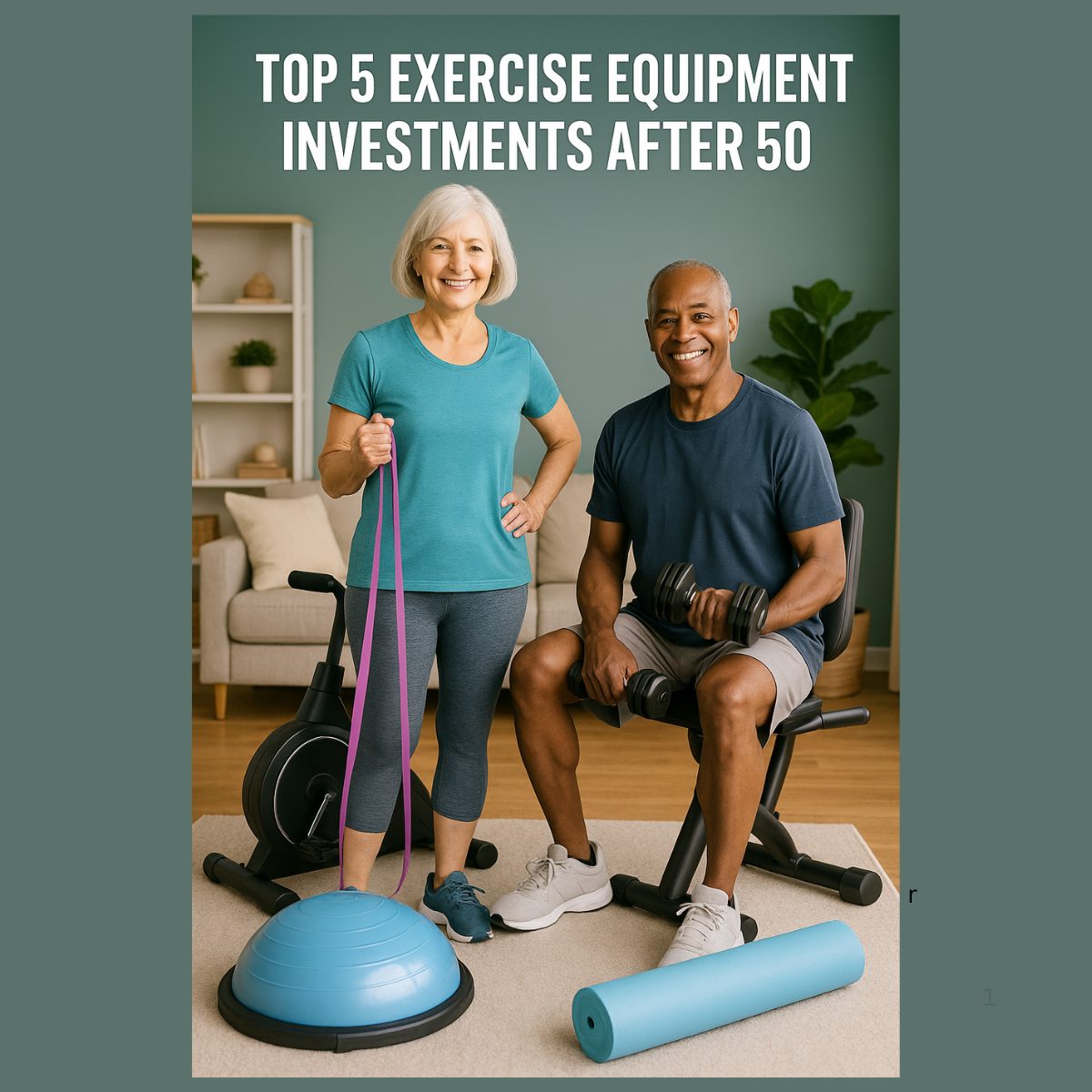
- Start resistance training 2-3 times weekly. This could include:
- Weight machines (particularly good for beginners)
- Free weights (dumbbells, barbells)
- Resistance bands
- Bodyweight exercises
- Increase protein intake to at least 1.2g per kg of body weight daily, focusing on complete protein sources at each meal.
- Consider working with professionals:
- A physical therapist or certified personal trainer experienced with older adults
- A registered dietitian to optimize your nutrition plan
- Track your progress through:
- Strength improvements in your exercises
- Body composition measurements
- Functional tests (like sit-to-stand tests, walking speed)
Conclusion: Rewriting the Story of Aging
The science is clear: significant muscle loss is not an inevitable part of aging. With proper nutrition, appropriate exercise, and consistency, you can maintain and even build muscle mass well into your later decades.
Dr. Robert Wolfe, a professor of geriatrics at the University of Arkansas, explains it like this: “Sarcopenia was once seen as unavoidable. It was thought to be an inevitable part of aging. Now, we understand it as a treatable and preventable condition.”
Take action now to preserve your muscle mass. You’re not just adding years to your life. You’re adding life to your years. This ensures that you maintain the strength, mobility, and independence to enjoy all that your future holds.
Commit today to performing at least two resistance training sessions this week. Increase your protein intake at each meal. Small, consistent actions build powerful momentum toward preserving your strength and independence for decades to come.
Disclaimer: This article is for informational purposes only and is not intended to replace professional medical advice. Always consult with your healthcare provider before starting any new exercise program. You should also consult them before making significant changes to your diet, especially if you have existing health conditions.



Leave a Reply